
Quick Answer: No, you don't need a kiln for many silver clay projects. Fine silver clay can be torch fired using a simple handheld blowtorch. Sterling silver (925) and Britannia silver (950) clays do require kiln firing. Read on for the complete guide.

Torch firing a fine silver clay twig ring
Silver clay is a versatile material that opens up a world of creative possibilities beyond traditional metalsmithing. Whether you're a seasoned jeweller looking to expand your techniques or a complete beginner taking your first steps into jewellery-making, silver clay offers an accessible and exciting way to create unique, handcrafted pieces.
But here's where things can get a little confusing. There are many different types of silver clay to choose from: different forms, different alloys, and different brands, each with their own firing requirements. When you're just getting started, it's tricky to know which ones to choose and how to use them properly.
And then there are the tools. Which ones do you really need? The most frequently asked question I hear is:
“Do I need a kiln?”
And the answer is No. (But sometimes also yes)
Let me explain.
Most fine silver clay can be torch fired without a kiln, making it one of the most accessible jewellery-making techniques for beginners. In this guide, I'll walk you through everything you need to know about torch firing silver clay, including the tools you need, step-by-step instructions, and when a kiln is actually necessary.
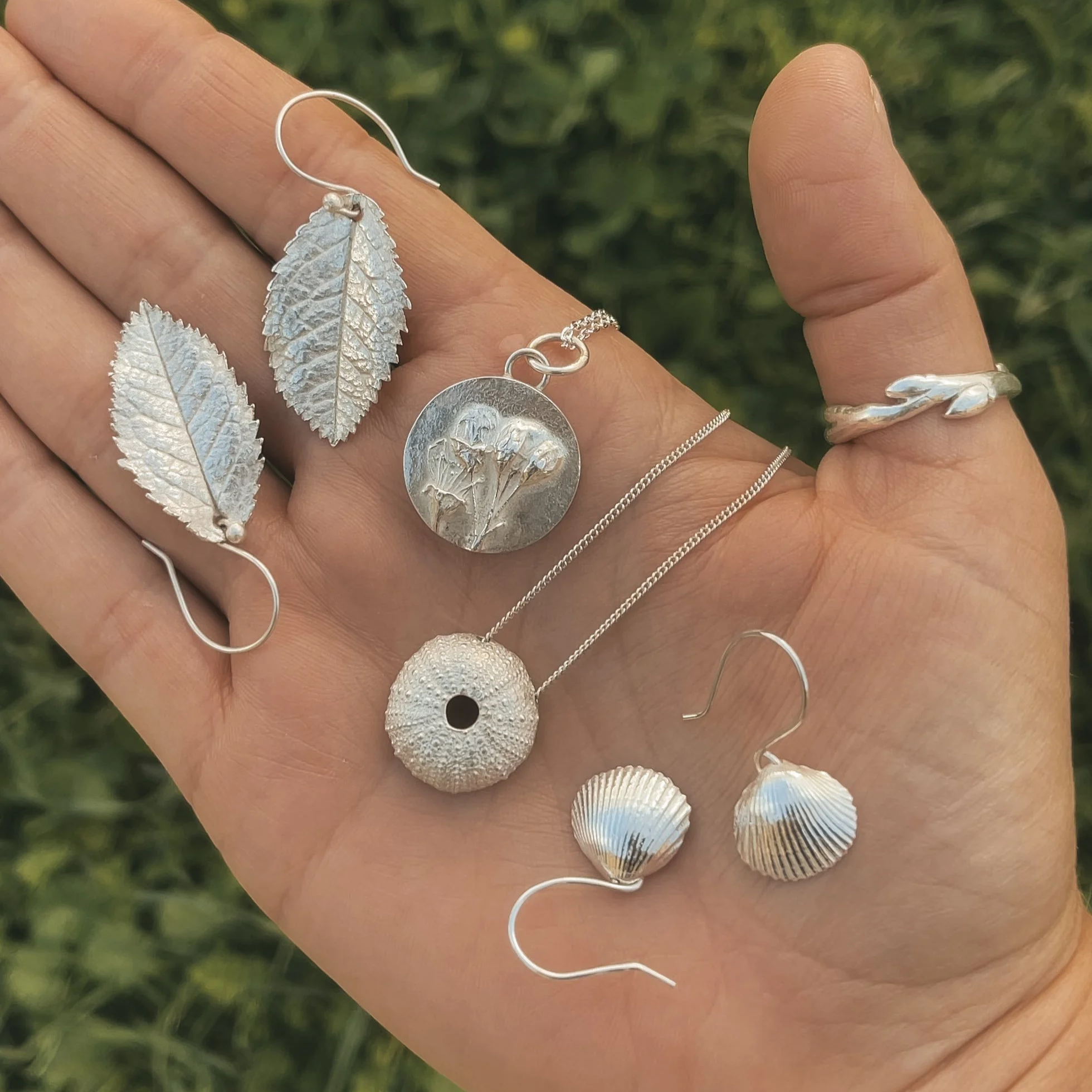
Ready to get started? discover these 5 beginner-friendly projects, all suitable for torch firing
When Can I Torch Fire?
In most cases, fine silver clay does not require a kiln. You can achieve the right firing temperatures through torch firing, which makes the process significantly more accessible and convenient, especially if you're just starting out.
Torch firing means you can create beautiful silver jewellery without investing in expensive equipment. All you need is a small handheld blowtorch, a soldering block, and your dried silver clay piece. It's that simple.
When Can't I Torch Fire?
As a general rule, sterling silver (925) and Britannia silver clays (950) require firing in a kiln. These alloys need more controlled, sustained heat that a torch alone can't reliably provide.
There are many different brands of silver clay available, so always check the manufacturer's guidance before purchasing to make sure you know what firing method is required.

Torch firing a fine silver clay vine leaf coin necklace
Size Limitations for Torch Firing
Torch firing works beautifully for small to medium-sized pieces - think rings, pendants, earrings, and small charms. As a general guide, pieces up to about 5cm (2 inches) in diameter are ideal for torch firing.
Larger or three-dimensional pieces can be challenging because it's difficult to heat them evenly with a handheld torch. If you're planning to create bigger statement pieces or want to fire multiple items at once, that's when a kiln becomes more practical.
How to Torch Fire
Torch firing takes a little patience and practice, but once you get the hang of it, it becomes second nature.
Here's how to do it:
Make sure your silver clay piece is completely dry before you begin
Heat it evenly with your torch, moving the flame continuously
Watch for a colour change. Your piece will shift from dull grey to an orange glow
Maintain that orange glow for 3 - 5 minutes, depending on the size and thickness of your piece
Keep the flame moving to avoid hot spots or melting
Once fired, leave your piece to cool completely
Top Tip: The biggest pitfall with torch firing is under-firing. An under-fired piece may become brittle and break, especially if it's fine or detailed work. Be thorough with your timing and make sure you maintain that orange glow for the full duration.
What Should My Piece Look Like After Firing?
Once your piece has cooled completely, it will have a white, matte, chalky finish. This is perfectly normal! Your silver is now fully sintered and solid, but it needs finishing to bring out the shine.
Once fired, you can work with it just like any other silver. You can file it, sand it, solder findings or other elements to it, and polish it to a shine. It's now solid silver, ready to be transformed into fully finished piece of jewellery.
First-Time Firing Advice
If you're firing silver clay for the first time, here's my advice: start small and simple.
Choose a straightforward project without too much fine detail like a simple coin pendant. This gives you a chance to get comfortable with the process and learn what that orange glow should look like without the pressure of working on something intricate.
It's also helpful to practice your torch technique on your soldering block before you have a piece of silver clay in front of you. Get a feel for how the flame moves and how to control the heat. This will give you confidence when it's time for the real thing.
Remember, every jeweller has under-fired or over-fired a piece at some point. It's all part of the learning process, so be patient with yourself and enjoy the journey!

Example of a small handheld blowtorch
What Kind of Blowtorch Do I Need?
You don't need anything complicated or expensive. A small handheld butane blowtorch is perfect for firing silver clay. It provides adequate heat and gives you great results.
Here's a little secret: A crème brûlée torch works beautifully for firing fine silver clay. If you have one gathering dust in the back of a kitchen cupboard, it's time to dig it out and give it a new lease of life!
The Shopping List
Please find below the products that I recommend to get started with torch firing silver clay. Some of the links here are affiliated but all of them are products I have bought and use myself in the studio.
The Torch
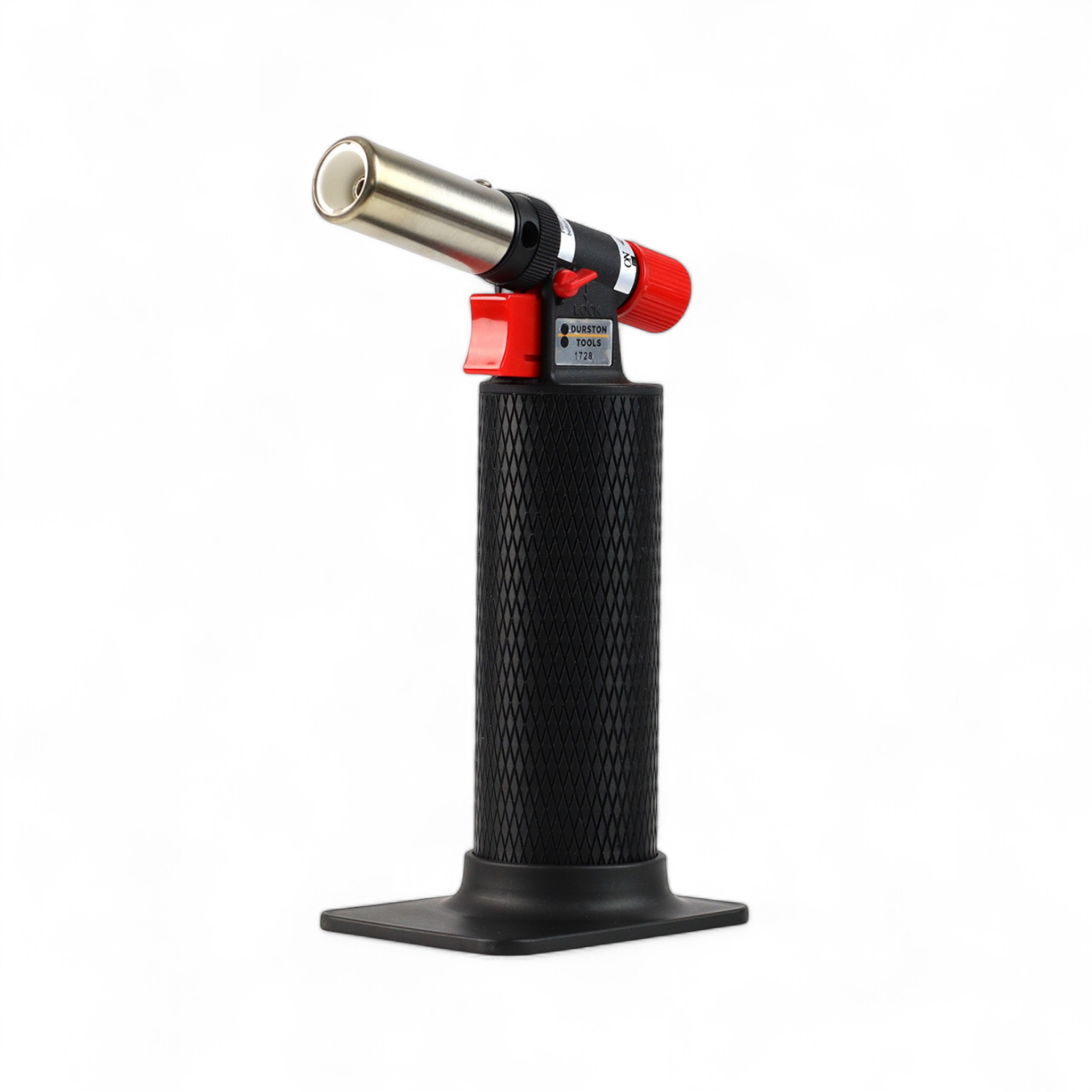
Jewellers Blow Torch
A handheld torch is a great all-rounder - perfect for fine Silver Clay projects and traditional jewellery techniques such as soldering and annealing.
Shopping links:
*please note you many need to select your currency at the top of the page
The Silver Clay

Art Clay Silver
This fine silver clay is made in Japan using only three ingredients. It is non-toxic, and the brand that we use at the Cognac Jewellery School.
Shopping links:
The Soldering Block

Soldering Block
Put your silver clay creations on this heat-reflecting block to torch fire. It can also be used for soldering and annealing
Shopping link:
Troubleshooting Common Torch Firing Issues
How do I know if my piece is under-fired?
An under-fired piece will feel chalky and fragile. If you gently press it with your fingernail or a tool, it may crumble or flake. The structure hasn't fully sintered, which means the silver particles haven't bonded properly. If you suspect under-firing, you can simply re-fire the piece. Just heat it again to that orange glow and maintain it for the full 3-5 minutes.
What does an over-fired piece look like?
Over-firing happens when you apply too much concentrated heat to one area, causing the silver to start melting. You'll see shiny, glossy patches or distorted edges. Fine details may become soft or rounded. If you notice this starting to happen, pull your torch away immediately and let you piece cool a little before continuing. Unfortunately, over-fired pieces are difficult to rescue, which is why it's so important to keep that flame moving constantly.
Can I re-fire a piece if I'm not sure it's done?
Yes! If you're uncertain whether your piece is fully fired, it's always better to give it another round. Let it cool completely, then heat it again to that orange glow for another 2-3 minutes. It's much easier to add more firing time than to fix an under-fired piece that's already broken.
Why did my piece crack/bubble during firing?
Cracking and bubbling usually happens because the piece wasn't completely dry before firing. Any moisture trapped inside will turn to steam and cause cracks, bubbles or even small explosions! Always make sure your silver clay is bone dry. Leave it overnight or oven dry it at 150C or 300F for 10 minutes.
Ready to Put Torch Firing to the Test?
Discover the Cognac Jewellery School silver clay online courses or join our Pro Membership for unlimited access to all the projects and 1-2-1 support.
